

ACTION AREA 4
Clean Energy
Photo: Paulo Mendez


Fossil Fuels: Driving the
Climate Crisis
Fossil fuels such as coal, oil, and natural gas are the single largest source of greenhouse gas emissions driving the climate crisis, responsible for over 75% of global CO₂ emissions. When burned for energy, they release vast amounts of carbon dioxide and methane, trapping heat in the atmosphere and accelerating global warming. This has led to rising sea levels, extreme weather events, biodiversity loss, and widespread harm to human health and livelihoods.
The science is unequivocal: to avoid catastrophic climate impacts, we must rapidly phase out fossil fuels and transition to clean, renewable energy systems. The urgency is not theoretical, every year of delay locks in emissions and risks irreversible damage. Ending fossil fuel dependency is no longer just an environmental imperative; it is a moral, economic, and survival necessity for current and future generations.

Photo: Januscz Maniak
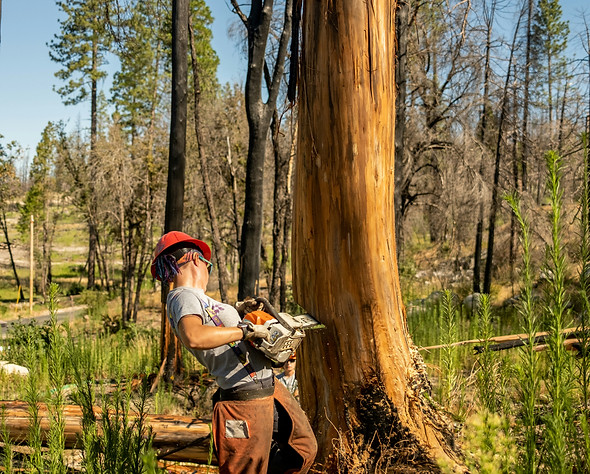
Forest Clearance for Charcoal burning/Photo: Meghan Hanlon
The Global Impact of
Fossil Fuels
Fossil fuel emissions have caused global temperatures to rise by 1.1°C, leading to rising sea levels, shrinking glaciers, extreme weather, and air pollution endangering ecosystems, health, and economies.
Why Urgent
Action is Needed
To avoid surpassing 1.5°C of warming, we must cut global emissions nearly in half by 2030. This is impossible without rapidly ending fossil fuel reliance and accelerating the clean energy transition.

Photo: Meghan Hanlon


60%
Of all global greenhouse gas emissions are attributable to energy

15M
People globally are employed by renewable energy activities with potential to grow to 20 million by 2030.
People Served
by Helping Hands
People Served
by Helping Hands

20%
Of global population lacks access to modern electricity globally.

1300
The number of new mid-sized power plants that clean energy adoption could help avoid dramatically cutting pollution.

3B
People globally still rely on wood, coal, or animal waste for cooking.
2.5M

Number of lives that could be saved annually from air pollution-related diseases through universal clean energy access
To limit global warming to 1.5°C, we must cut emissions. Renewable energy sources offer clean, cost-effective, and nature-aligned solution available.
Why Clean
Energy Matters
The climate crisis is fundamentally an energy crisis. Over 70% of global greenhouse gas emissions come from how we power our homes, cities, and economies—largely through fossil fuels. Transitioning to clean energy sources like solar, wind, hydro, and geothermal is the most powerful lever we have to cut emissions, stabilize the climate, and protect our shared future.
Clean energy doesn’t just reduce pollution, it creates jobs, improves public health, and expands access to power in underserved regions. Today, renewables are often the most affordable option, enabling communities to leapfrog outdated systems with decentralized, resilient, and low-carbon solutions that fuel development without environmental cost.
At 400Forests, we work at the intersection of clean energy and climate justice, partnering with governments, innovators, and communities to expand renewable access, promote equity, and drive bold, systemic change. Clean energy is not just a solution, it is the foundation of a livable, sustainable planet

Photo: WorldBank

Photo: Moc Diep
ACT TODAY!
The environment we have is not just the space we live in, it is the intricate system of air, water, soil, climate, plants, and animals that makes life possible. Healthy ecosystems regulate the planet’s temperature, purify water, store carbon, pollinate crops, and protect us from natural disasters. But this balance is rapidly being disrupted. Add your Voice! ACT NOW!

Volunteer
Today

Learn About
Nature

Join an
Initiative
