


Understanding Climate Change:
Causes, Impacts, and the
Scientific Consensus
Climate change represents the most pressing existential threat facing humanity in the 21st century. From extreme droughts and catastrophic floods to food insecurity, climate migration, and biodiversity collapse, the world is experiencing the profound and interconnected impacts of a warming planet.

Climate change refers to long-term shifts in global temperatures and weather patterns. While such changes have occurred naturally over geological time, the term today is used to describe the rapid warming of Earth’s climate as a direct result of human activities.
This contemporary form of climate change is defined by a persistent increase in global average temperatures, rising sea levels, melting glaciers, intensified weather events, and shifts in ecosystems. The Earth has warmed by approximately 1.2°C (2.2°F) above pre-industrial levels, and the pace is accelerating.
Photo: Wyenad Ussek

Our Changing Home
Climate change is the planet’s greatest systemic threat. It disrupts weather patterns, melts glaciers, intensifies droughts, and endangers ecosystems that billions depend on. Driven by greenhouse gas emissions, it threatens food, water, health, and global stability. This demands bold, collective action from every sector and society on Earth.
What Causes
Climate Change?
The main driver of modern climate change is the emission of greenhouse gases (GHGs)—primarily carbon dioxide (CO₂), methane (CH₄), and nitrous oxide (N₂O). These gases trap heat in the Earth’s atmosphere, creating what is known as the greenhouse effect. The excessive accumulation of GHGs due to human activity is amplifying this effect to dangerous levels.
Key contributing factors include Fossil Fuel Combustion, Deforestation and Land Use Change, unsustainable Agricultural practices and Waste and Industrial Processes. The scientific consensus on climate change is unequivocal: Human activity is, today, the primary driver of global warming.

Photo: Januscz Waniak

Photo: Dimka

Photo: Januscz Waniak

Photo: Ralph Vetterle
Impacts of
Climate Change
The impacts of climate change are diverse, profound, and disproportionately felt across regions and populations. Greenhouse gas levels are the highest in 2 million years indicating the severity of human activity and its impact on our environment. Some of the most urgent consequences include:

Photo: Dibakar Roy
Heatwaves, droughts, wildfires, hurricanes, and floods have become more frequent and severe. For example: The 2023 Canadian wildfires burned more than 18 million hectares, affecting air quality across North America. In Pakistan, monsoon floods in 2022 submerged one-third of the country, displacing millions. On extreme heat, 2021 was among the top 6 hottest years ever recorded.
Extreme Weather Events
Food and Water Insecurity
Changing precipitation patterns and extreme weather are undermining agriculture and reducing freshwater availability. East Africa has faced multiple consecutive droughts, placing over 23 million people at risk of hunger. On the other hand, glaciers and ice sheets are shrinking, threatening long-term freshwater sources.

Photo: Tucker Tangeman

Melting ice caps and glaciers, combined with thermal expansion of oceans, are causing sea levels to rise. Small island states such as Tuvalu and the Maldives are already losing land. Simultaneously, oceans absorb excess CO₂, becoming more acidic and threatening coral reefs and marine ecosystems. Recent data shows that sea levels have risen 8 inches in the past century, with rates accelerating.
Sea-Level Rise and Ocean Acidification
Photo: Rifandi G
Biodiversity Loss
Climate change is driving the extinction of species and the collapse of ecosystems. Arctic ice melt endangers polar bears and walruses. Tropical forests and coral reefs, home to much of the planet’s biodiversity, are under acute stress.
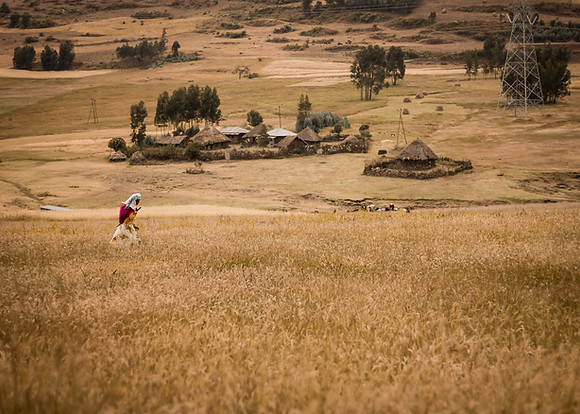
Photo: Liz Martin

Climate Migration and Social Instability
By 2050, climate change may displace up to 1.2 billion people, according to the Institute for Economics and Peace. Resource scarcity and environmental stress are contributing to conflict and instability in already vulnerable regions. Climate-linked disasters cost billions annually, with mounting human tolls.
Photo: Devex
Why Concerted Forestation
is Key in Fighting Climate
Change

Livelihoods and Equity
Forests provide income, food, and medicine to over a billion people globally.
.jpg)
Resilience Buffers
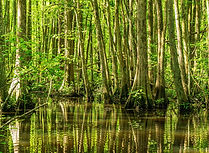
They regulate water, cool cities, and prevent natural disasters.


Consistent Carbon Sinks
Forests absorb 30% of annual fossil fuel emissions making
them essential for climate stability.
Biodiversity
Over 80% of terrestrial species depend on forests.
The Road Ahead
While the outlook is serious, the window for meaningful action remains open. Global momentum for climate solutions is growing, driven by international frameworks like the Paris Agreement, national climate strategies, and grassroots innovations.
Countries such as Costa Rica, Brazil, and Kenya are pioneering transitions to renewable energy. Cities from Amsterdam to Kigali are building climate-resilient infrastructure. Indigenous and local communities are restoring ecosystems with traditional knowledge. And millions of youth are raising their voices for climate justice. But more is needed, we must mobilize science, finance, technology, and solidarity to transition to a just, green, and regenerative global economy.
ACT TODAY!
The environment we have is not just the space we live in, it is the intricate system of air, water, soil, climate, plants, and animals that makes life possible. Healthy ecosystems regulate the planet’s temperature, purify water, store carbon, pollinate crops, and protect us from natural disasters. But this balance is rapidly being disrupted. Add your Voice! ACT NOW!

Volunteer
Today

Learn About
Nature

Join an
Initiative
