


The State of Blue Carbon and
Ocean Ecology
Mangroves, seagrasses, and salt marshes are among the most vital blue carbon ecosystems on our planet, yet they are under severe threat. Mangroves serve as critical buffers against storm surges and coastal erosion, protecting millions of lives and livelihoods, but they are shrinking at a rate of nearly 2% each year. Seagrasses, which act as essential nurseries for fish and sustain marine biodiversity, are disappearing at alarming rates due to warming waters, pollution, and coastal development. Meanwhile, salt marshes—often described as nature’s carbon vaults for their ability to store greenhouse gases for centuries—continue to be drained and degraded in favor of human expansion. Together, the loss of these ecosystems undermines climate resilience, biodiversity, and the well-being of coastal communities worldwide

How Blue Carbon Helps in
Carbon Capture
Blue carbon ecosystems capture and store carbon up to four times faster than tropical forests, locking it away in deep sediments for millennia. Their loss not only destroys biodiversity but also releases stored carbon back into the atmosphere, accelerating climate change.
Photo: Bishnu Sarangi


Why Restore Them?
By rebuilding healthy coastal ecosystems, we enable nature to absorb wave energy and shield vulnerable communities from storms and flooding. Restored habitats also secure fisheries and strengthen local food systems, ensuring livelihoods and nutrition for millions of people. They create vital biodiversity corridors that allow species to thrive and adapt in a changing climate.
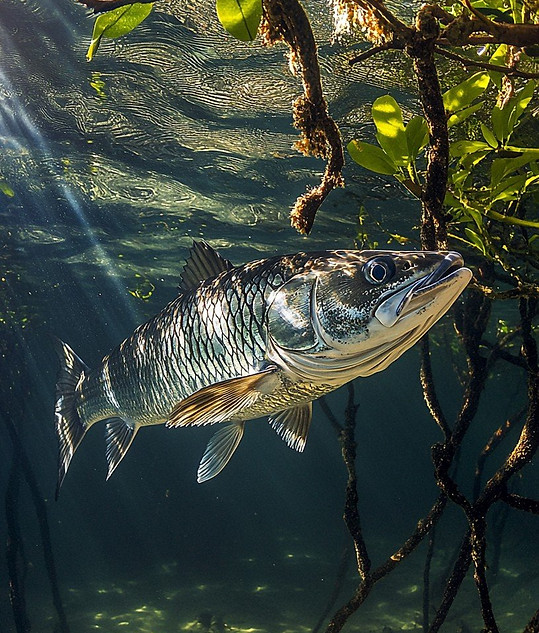
Image: IPCC


Photo: Nandhu Kumar
Assets in the Fights Against
Climate change
Blue carbon ecosystems are not a side solution—they are frontline defenses in the fight against climate change. Restoring and protecting them offers one of the fastest, most cost-effective natural climate solutions, while also delivering social, cultural, and economic benefits
Our Key Roles
We work to restore degraded mangroves, seagrass beds, and salt marshes, rebuilding nature’s most effective carbon sinks and coastal defenses. Our teams integrate AI, satellite mapping, and community science to enable real-time monitoring, ensuring that progress is measurable and transparent. Similarly, we develop innovative financing models that reward communities, linking restoration to carbon markets and climate funds so that local people directly benefit from protecting the ecosystems they call home
Photo: Ann Gadpandey

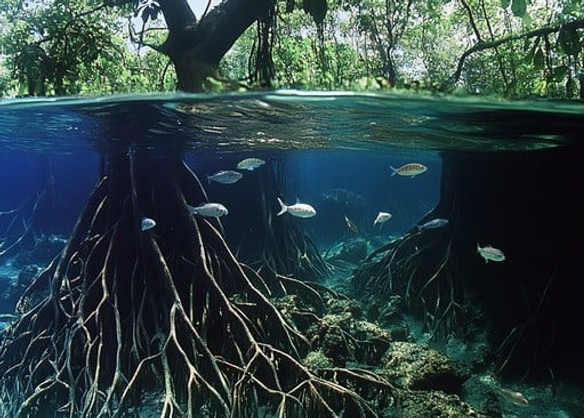
Photo: Lukasz Lukaszweski

Photo: Manish Tulaskar
ACT TODAY!
The environment we have is not just the space we live in, it is the intricate system of air, water, soil, climate, plants, and animals that makes life possible. Healthy ecosystems regulate the planet’s temperature, purify water, store carbon, pollinate crops, and protect us from natural disasters. But this balance is rapidly being disrupted. Add your Voice! ACT NOW!

Volunteer
Today

Learn About
Nature

Join an
Initiative
