


Why Sustainable, Smart Agriculture Matters in the Fight Against Climate Change
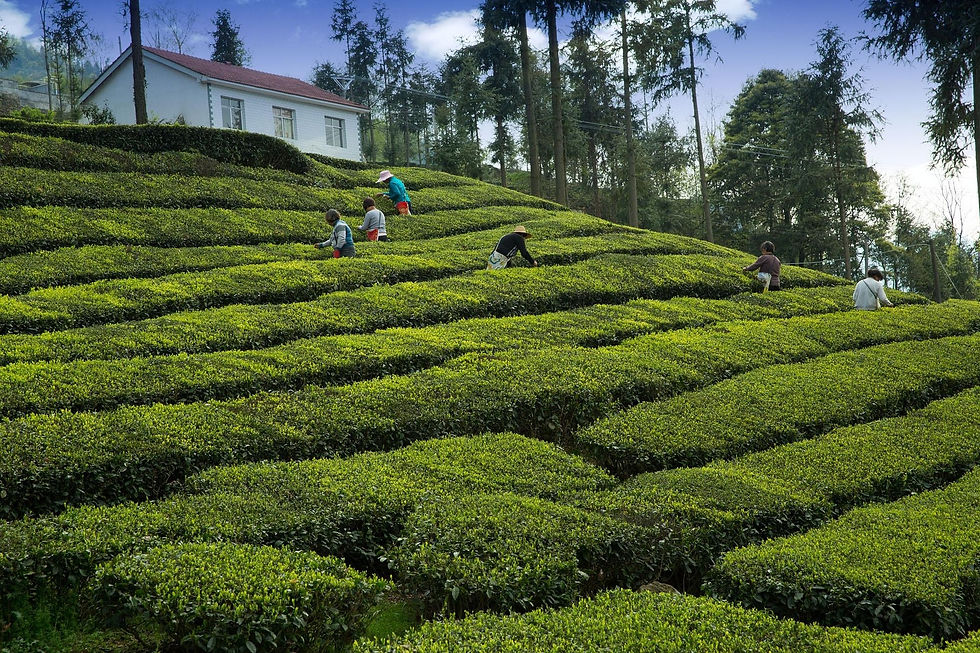
Sustainable agriculture offers a powerful solution to cut the nearly 25% of global emissions linked to food and land use. Through regenerative farming, agroforestry, and precision agriculture, farmlands can become carbon sinks while boosting food security and climate resilience. Transforming agriculture is essential to meeting critical climate goals, including limiting global warming to 1.5°C.

Photo: Pattie Mitchel
High-Impact Smart Farming:
A Climate Opportunity
With robust governance, farmer leadership and climate finance, sustainable agriculture can deliver transformative climate gains through:

Carbon Reduction and Storage
Climate-smart agriculture minimizes emissions from fertilizers, livestock, and tillage while sequestering carbon through practices like cover cropping and soil restoration.

Resilience Builders
Sustainable agriculture improves soil health, enhances water retention, and protects crops from climate shocks such as droughts and floods.

Livelihoods and Food Security
It supports over 500 million smallholder farmers worldwide, boosting incomes while ensuring reliable food supplies for billions.

Biodiversity Protectors
Smart agriculture integrates natural habitats and pollinator-friendly landscapes, preventing ecosystem collapse and promoting species diversity.
Economic Solutions
Every dollar invested in sustainable agriculture can yield over $7 in benefits through higher productivity, lower climate risks, and improved community well-being.
To limit global warming to 1.5°C, we must cut agricultural emissions and enhance carbon removal. Regenerative agriculture offers one of the most scalable, cost-effective, and nature-aligned solutions available

Cassava Farmer - CongoPhoto: Unsplash

Photo: Krishi Jagran
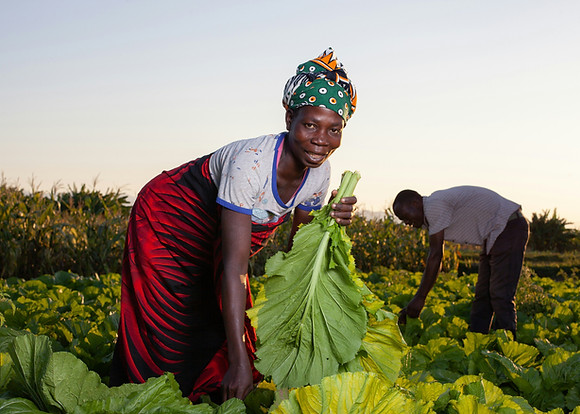
Photo: Richard Nyoni

Photo: Rob Mulder
Community-Driven, Local and Parnership
Anchored Strategies
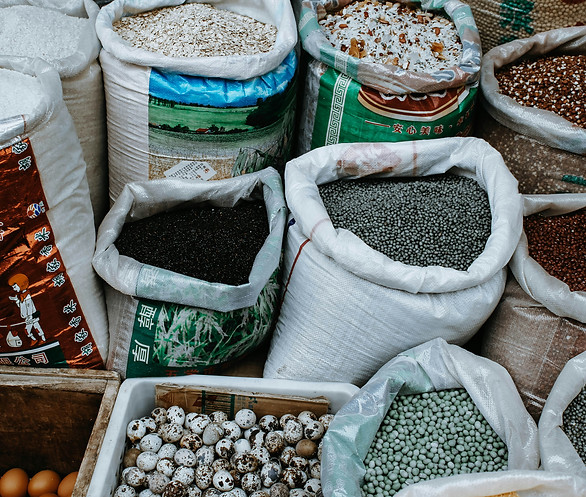
Adoption of Climate-Resilient Crops and Seed Systems
We will support the development and distribution of drought-tolerant, flood-resistant, and heat-resilient crop varieties to adapt to shifting climate conditions. Research-backed seed systems, including indigenous and hybrid varieties, enhance yields while reducing vulnerability to pests and extreme weather events.
Thriving Forest Cover/ Photo: Kristen Sturdivant
Regenerative Soil and Land Management
Implementing agroforestry, crop rotation, no-till farming, cover cropping, and organic composting can significantly improve soil structure, water retention, and carbon sequestration. Studies show regenerative practices can increase soil organic carbon by up to 4 tons per hectare annually.

Photo: Isaac Lind

Precision Agriculture and
Digital Tools
Using AI-driven analytics, drones, and IoT-based soil and moisture sensors allows farmers to optimize fertilizer use, irrigation, and pest management. This reduces waste, boosts productivity, and cuts agricultural emissions by 20–30%, as shown in field trials across Africa and Asia.
Photo: Zenadrone
Integrated Pest and Nutrient Management
Shifting from chemical-intensive farming to biopesticides, natural pest control (e.g., beneficial insects), and smart fertilizers reduces environmental harm while improving yields. Integrated pest management (IPM) has been proven to lower pesticide use by up to 40% without reducing productivity.

Photo: Ihsan Adityarwarman

Sustainable Water and Energy Systems
Promoting solar-powered irrigation, rainwater harvesting, and efficient drip irrigation reduces water stress and lowers emissions compared to diesel pumps. Paired with watershed restoration, these practices can improve water-use efficiency by 50% or more in vulnerable regions.
Photo: Chalmin/Unsplash
ACT TODAY!
The environment we have is not just the space we live in, it is the intricate system of air, water, soil, climate, plants, and animals that makes life possible. Healthy ecosystems regulate the planet’s temperature, purify water, store carbon, pollinate crops, and protect us from natural disasters. But this balance is rapidly being disrupted. Add your Voice! ACT NOW!

Volunteer
Today

Learn About
Nature

Join an
Initiative
